Dry Particulates

What is a Dry Particulate?

In matters of employee safety, the term “dry particulates” refers to solid particles that pose risk to individuals if they were to be inhaled.

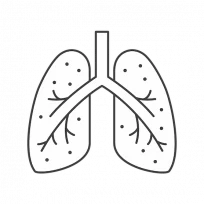
Simple illustration of asbestos particles lodged within a human pair of lungs
Asbestos
Generic illustration of a mold spore
Mold
Simple icon of fiberglass and its internal structure
Fiberglass
Icon of a large cloud dust with smaller particles being emitted from the mass
Dust
Icon illustration of an airborne substance being sprayed from an aerosol can
Aerosols

Dry particulates range in size and severity of the hazard based on the substance being handled, which could include materials such as asbestos, mold, fiberglass, dust, aerosols, and more.

Are Dry Particulates Hazardous?

Dry particulates can pose immediate risk if inhaled, or the effects can accumulate based on the amount of exposure over a certain period of time. For example, inhaling asbestos fibers has been shown to increase risk of cancer, asbestosis, mesothelioma, and pleural disease.

Some dry particulates can also pose a hazard if they make contact with the skin. Fiberglass insulation and mold spores can cause skin irritation and other allergic reactions. If these dry particulates remain on your clothing, they can be transferred to your vehicle, home, and other environments where more vulnerable individuals risk contact.

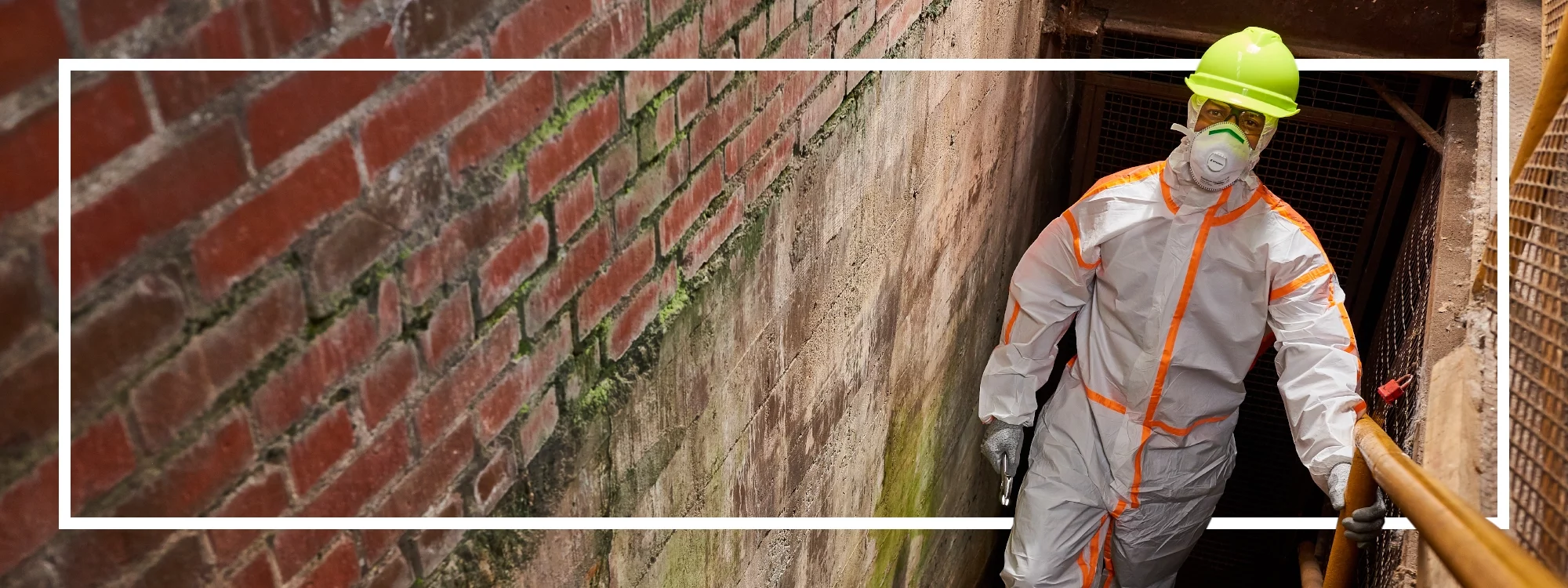
Worker emerging from an industrial cellar dons Lakeland's MicroMax coveralls

Protective Clothing for Dry Particulates

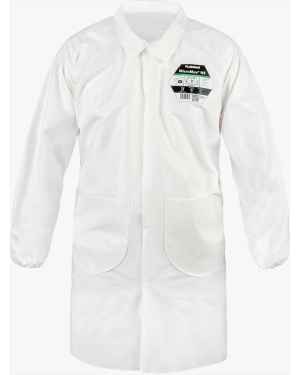
When selecting PPE for dry particulate protection, it’s important to consider the nature of the substance. If respiratory protection is required, make sure you choose the proper respirator or mask to prevent inhalation.

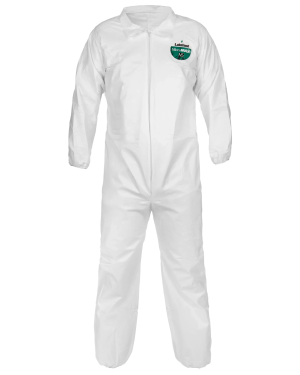
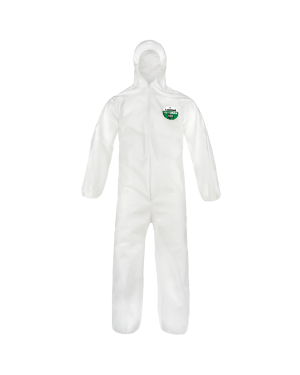
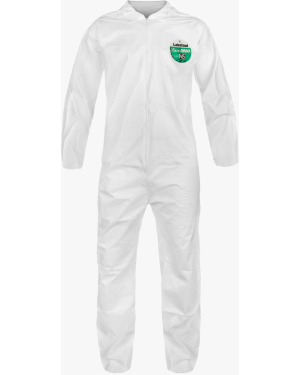
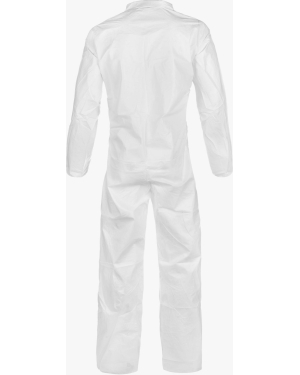
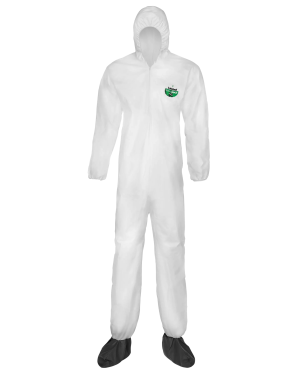
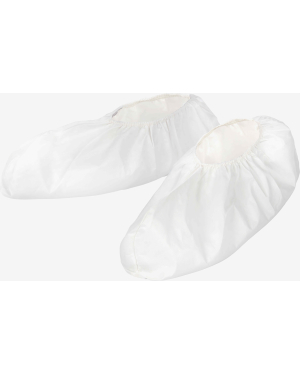
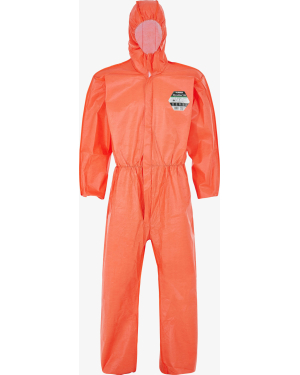
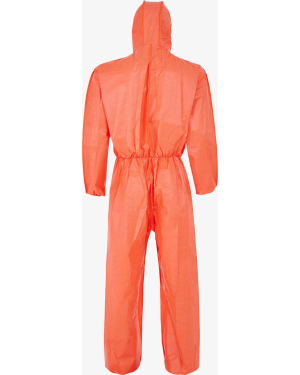
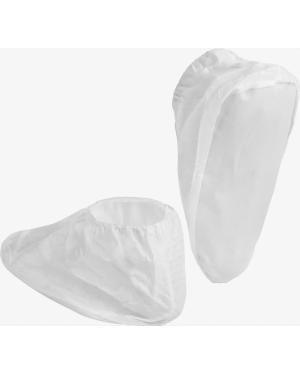
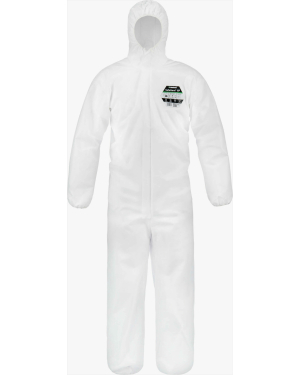
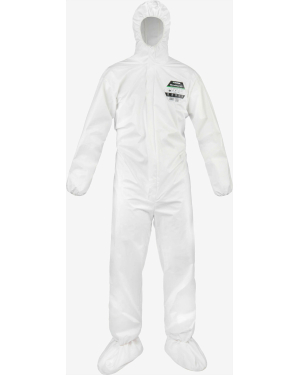
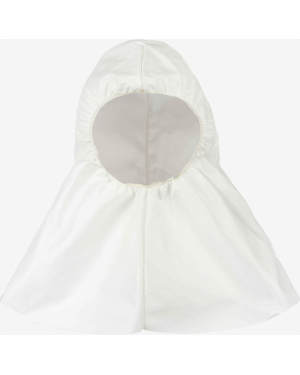
Protective clothing, such as disposable coveralls, should offer a respirator-fit hood if respiratory protection is required to provide greater security around the face and neck. Look for coveralls that offer a high Moisture Vapor Transmission Rate for added comfort during the workday.

Protect Your People From Dry Particulates

Dry Particulates FAQ
Do I need PPE when handling fiberglass insulation?

When fiberglass is altered in any way (cut, chopped, sanded, or sawed) the dust produced could land on a worker’s skin. When installing fiberglass insulation, contact with the material could result in uncomfortable rashes, or worse, the fibers becoming embedded in the outer layer of skin.

Learn more about PPE for fiberglass insulation here.

How can you prevent infectious disease?

A few preventions of infectious disease contraction and spread include immunization, washing hands regularly, appropriate food preparation, wash and personal hygiene.

How do pathogens cause infectious disease?

Pathogens cause illness through direct damage and destruction of toxic cell reproduction and replication.

What are infection disease symptoms?

General infectious disease symptoms include fever, chills, muscle aches, cough, and sore throat. More hazardous symptoms include pain in abdomen, burning urination, swelling in any area, shortness of breath.

What are some chemical splash exposure hazards?

There are a range of exposure hazards, including chemical burns, respiratory toxicity, and potential for long-term diseases like cancer and organ failure.

What configurations are included in chemical protective clothing?

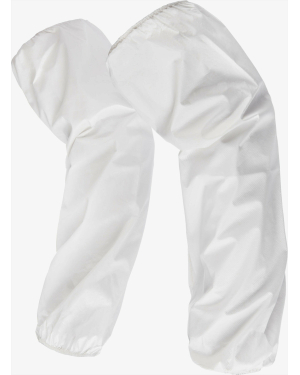
Lakeland offers chemical protection in hood, boot, and elastic wrist/ankle configurations for ChemMax 1-3 levels. Apron, sleeves, and boots are offered in ChemMax 1-2 styles. ChemMax 4 Plus offers a respirator hood fit coverall and encapsulated suit. Interceptor Plus suits are offered in totally encapsulating, Level A, vapor protective configurations.

Resources

Product
Catalogs

View Catalogs

What can we help you find?

Find a Location

View Locations

Find a Chemical

Search Chemicals

Find a Download

Document Finder