What Benzene Vapor Teaches Us About Hidden PPE Risks
Many of us recognize that rich, sweet smell when filling up the car. For some people, there is something strangely hypnotic about it. In fact, deliberately inhaling petrol vapors is a recognized form of substance abuse.
That familiar smell is produced as liquid fuel evaporates into vapor while it flows into the fuel tank. You notice it because you are inhaling it. While most of us would never intentionally abuse it, many people still find the smell oddly pleasant.
But have you ever checked a Safety Data Sheet (SDS) for benzene?
Benzene is a common industrial chemical and a naturally occurring component of crude oil and gasoline. It is also classified as a serious health hazard.
What Does the Safety Data Sheet Say?
The Globally Harmonized System (GHS) uses hazard statements to classify chemical risks. A review of benzene’s hazard profile reveals a range of significant health concerns, including:
| Hazard Code |
Description |
| H302 | Harmful if swallowed |
| H304 | May be fatal if swallowed and enters airways |
| H314 | Causes severe skin burns and eye damage |
| H315 | Causes skin irritation |
| H317 | May cause an allergic skin reaction |
| H318 | Causes serious eye damage |
| H319 | Causes serious eye irritation |
| H332 | Harmful if inhaled |
| H334 | May cause allergy or asthma symptoms or breathing difficulties if inhaled |
| H340 | May cause genetic defects |
| H350 | May cause cancer |
| H372 | Causes damage to organs through prolonged or repeated exposure |
It’s a sobering list for a substance many people encounter regularly.
“If It’s So Dangerous, Why Don’t I Feel Any Effects?”
This is a common question.
If benzene is so hazardous, and people inhale small amounts of vapor while refueling their vehicles, why don’t they immediately experience health problems?
The answer is that many chemical exposures do not produce immediate effects.
Unlike a burn, cut, or other acute injury, exposure to hazardous chemicals may not cause obvious symptoms at the time of contact. The absence of immediate effects does not necessarily mean the absence of harm.
Benzene exposure is associated with long-term health risks, including genetic damage and cancer. Small amounts of exposure may contribute to cumulative health effects over time, increasing the probability of adverse outcomes later in life.
The key word is probability.
Exposure does not guarantee illness. However, repeated or prolonged exposure may increase the likelihood of future health consequences.
A Useful Comparison: Smoking
The concept is similar to smoking.
Most people understand that smoking dramatically increases the risk of developing cancer and other serious diseases. Yet some smokers live long lives without developing smoking-related illnesses.
That does not mean smoking is safe.
It simply demonstrates that health risks are often probability-based rather than immediate or certain.
The same principle applies to benzene and many other workplace chemicals.
What This Means for Workplace Safety
Many hazardous chemicals used in industrial environments can generate vapors even at normal temperatures. Workers may not notice any immediate effects from low-level exposures, but that does not mean the risk is insignificant.
This is why exposure control measures are critical.
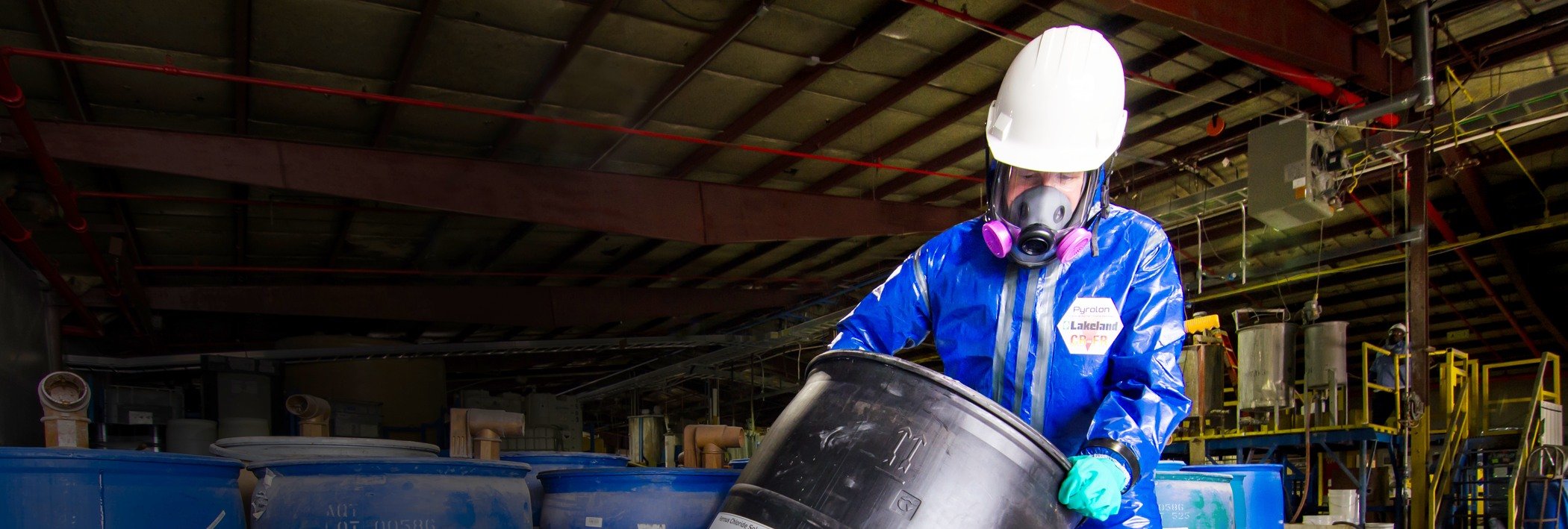
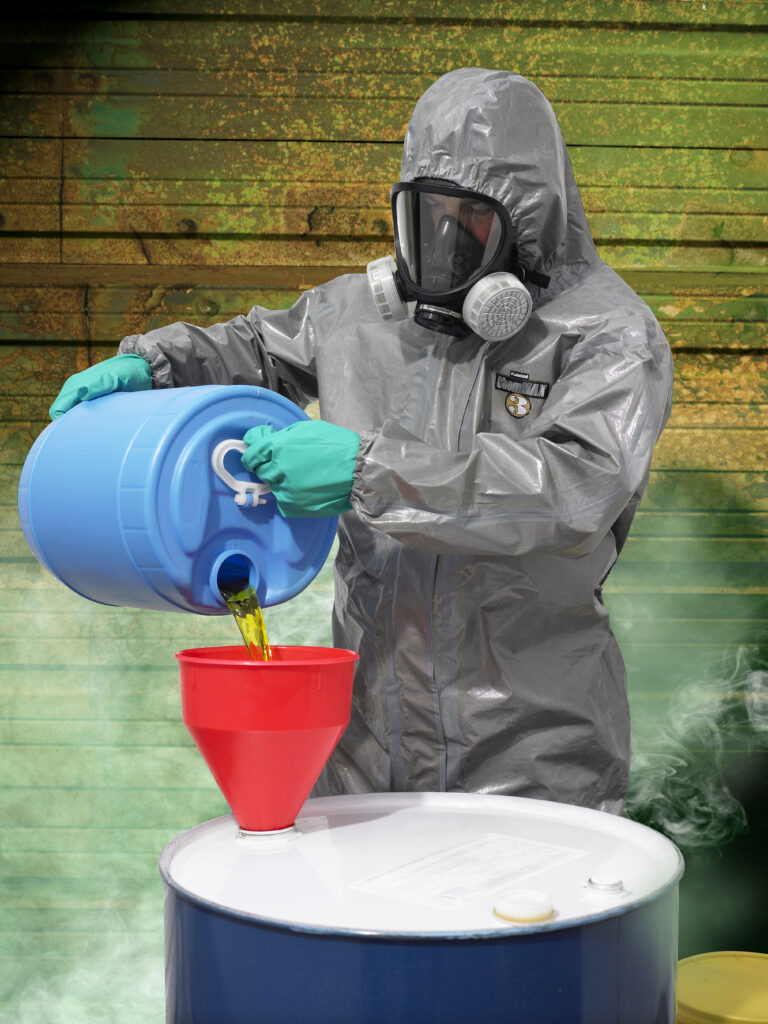
Engineering controls, ventilation systems, safe handling procedures, exposure monitoring, respiratory protection, and chemical protective clothing all play an important role in reducing long-term health risks.
When assessing chemical hazards, it is important to consider not only liquid contact risks but also the potential for vapor exposure. A substance that can vaporize may create exposure pathways that are not immediately obvious, particularly around PPE interfaces and unsealed areas.
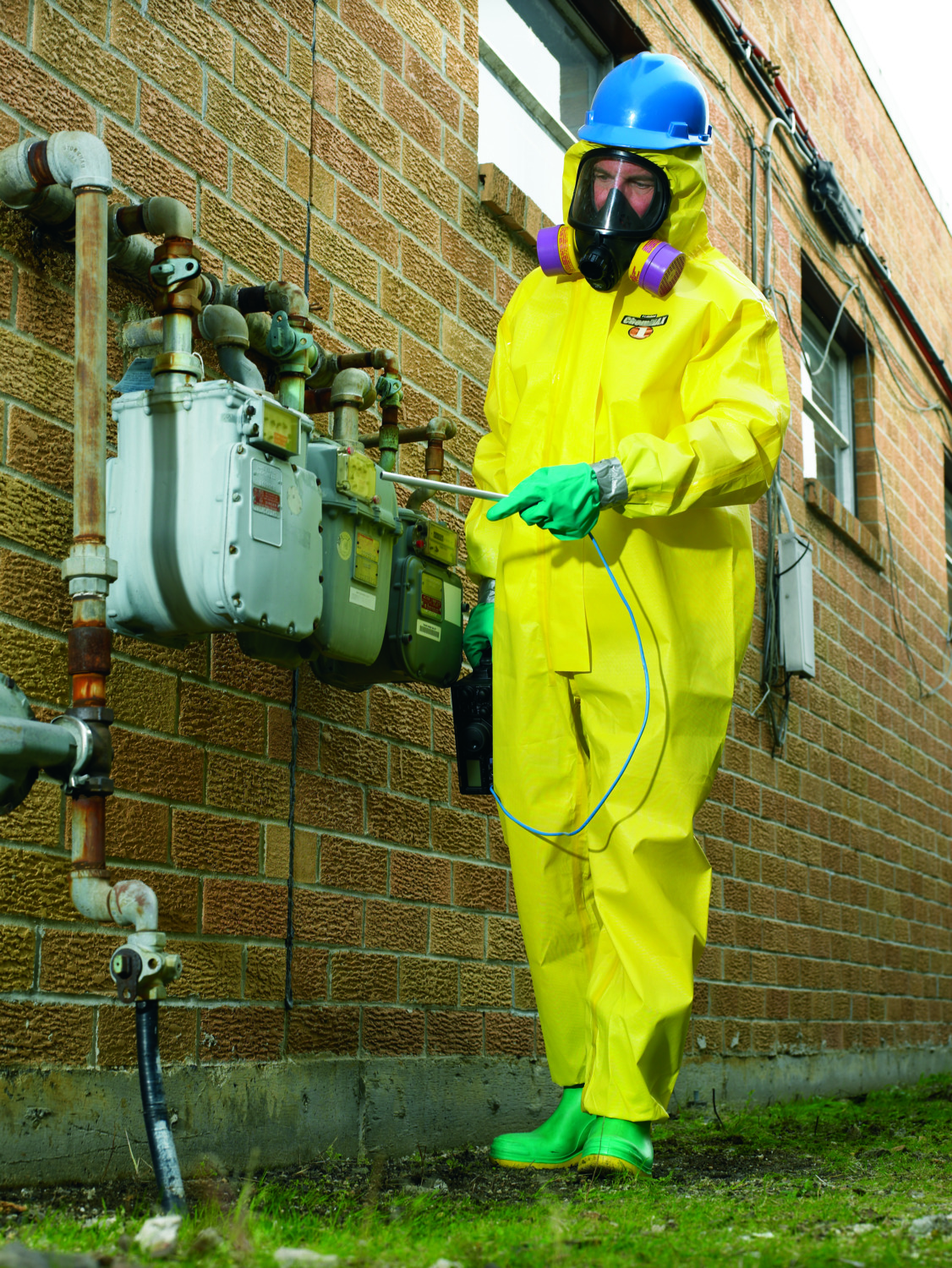
For high hazard chemicals, or harmful chemicals that may be in vapor or gas form may need fully integrated gas- tight suits – EN Type 1 or OSHA Protection level B.
The Bottom Line
Most people don’t stand at the fuel pump thinking about benzene exposure.
They don’t feel unwell. They don’t see contamination. They don’t experience any immediate effects.
And that’s exactly what makes the hazard so easy to ignore.
The same can be true in the workplace.
Workers may not see chemical contamination. They may not smell vapors. They may not notice any immediate symptoms. Yet exposure can still occur, and over time the consequences can be significant.
That’s why effective chemical protection isn’t just about guarding against the hazards you can see. It’s about understanding the hazards you can’t.
If a chemical can vaporize, if exposure can occur through inhalation, or if PPE interfaces are not adequately protected, workers may be exposed without realizing it.
Not sure whether your current chemical protection is suitable for vapor exposure risks? Contact Lakeland today to discuss your application and find the right level of protection for your workforce.