Protecting your people, your product and your controlled environment is your top priority, but how confident are you that your cleanroom garments are not introducing more contaminants?
Believe it or not, depending on the manufacturing process used, it is possible that your cleanroom garments are not particle-free — just because something is sterile, doesn’t mean it’s free from contaminants.
Understanding the difference between clean manufactured sterile garments and industrially manufactured sterile garments is critical as you determine which cleanroom garment is appropriate for your needs.
Clean Versus Sterile Cleanroom Apparel
What is a Sterile Cleanroom Garment?
A ‘sterile’ garment can be manufactured in any type of facility. Once the garment is completed, it simply undergoes a sterilization process. What is important to consider however, is that in many cases, sterile cleanroom garments are not clean-processed. As a result, the garments have a heavy particle load on the surface and can introduce foreign particles into your controlled environment.
What is a ‘Clean and Sterile’ Garment?
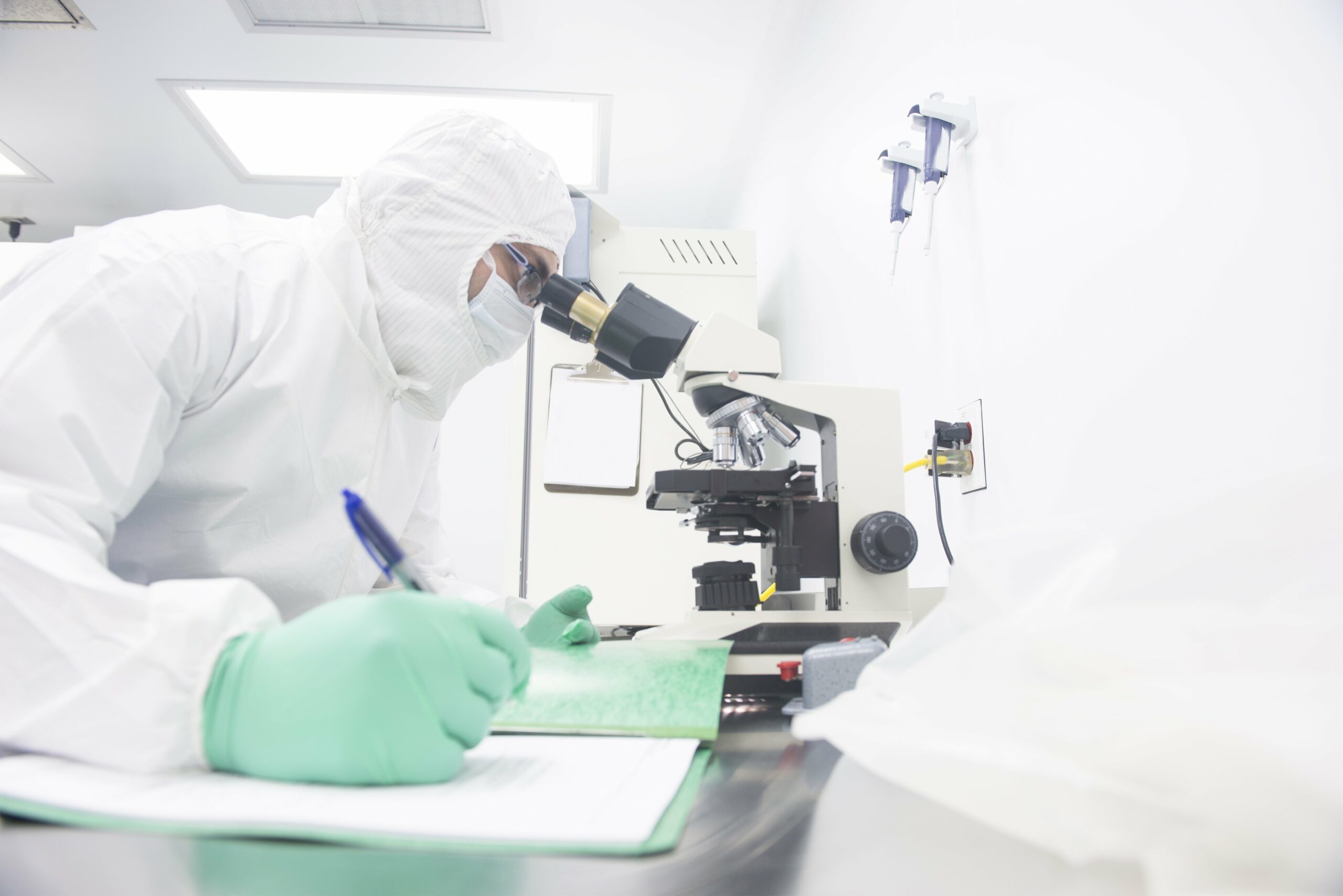
A ‘clean and sterile’ garment is both sterile and clean manufactured. This means the garment is sewn and constructed in a controlled, clean-manufacturing environment. A clean-manufacturing facility ensures that:
- All of the assembly operators are trained in good cleanroom hygiene and clean manufacturing principles.
- Each employee is gowned in the class appropriate cleanroom apparel.
- Work surfaces are disinfected and wiped clean at predetermined intervals throughout production.
- Once the production lot is completed it undergoes a validated radiation dose to achieve sterilization.
Most importantly, a clean-manufacturing facility ensures that operators are not adding any particulates onto the garments during the construction and manufacturing process.
Ask About the Manufacturing Process
When safety is your top priority, don’t be afraid to ask for the data behind the cleanroom garments you purchase. Cleanrooms are classified by the International Standards Organization (ISO) according to the number and size of particles permitted per volume of air. Request documentation on the manufacturing facility ISO class and on the manufacturing process of your cleanroom garments.
Questions like:
- What is the ISO classification of your current cleanroom garment manufacturing facility?
- Are your cleanroom garments clean-manufactured?
- What type of sterilization process do the garments undergo?
- How are the garments packaged to reduce excursions?
When you have the choice, you should insist on clean-manufactured garments for your controlled environment. Your cleanroom garment manufacturer should do everything they can to reduce the risk of foreign particle contamination, and that starts with a clean-manufacturing process.
Trying to select the best cleanroom and/or controlled environment apparel for your application? What factors are important to you?
Confidence in your cleanroom and/or controlled environment starts with understanding how to select the right disposable apparel for your unique needs.