Why Layering Works for Industrial Protection
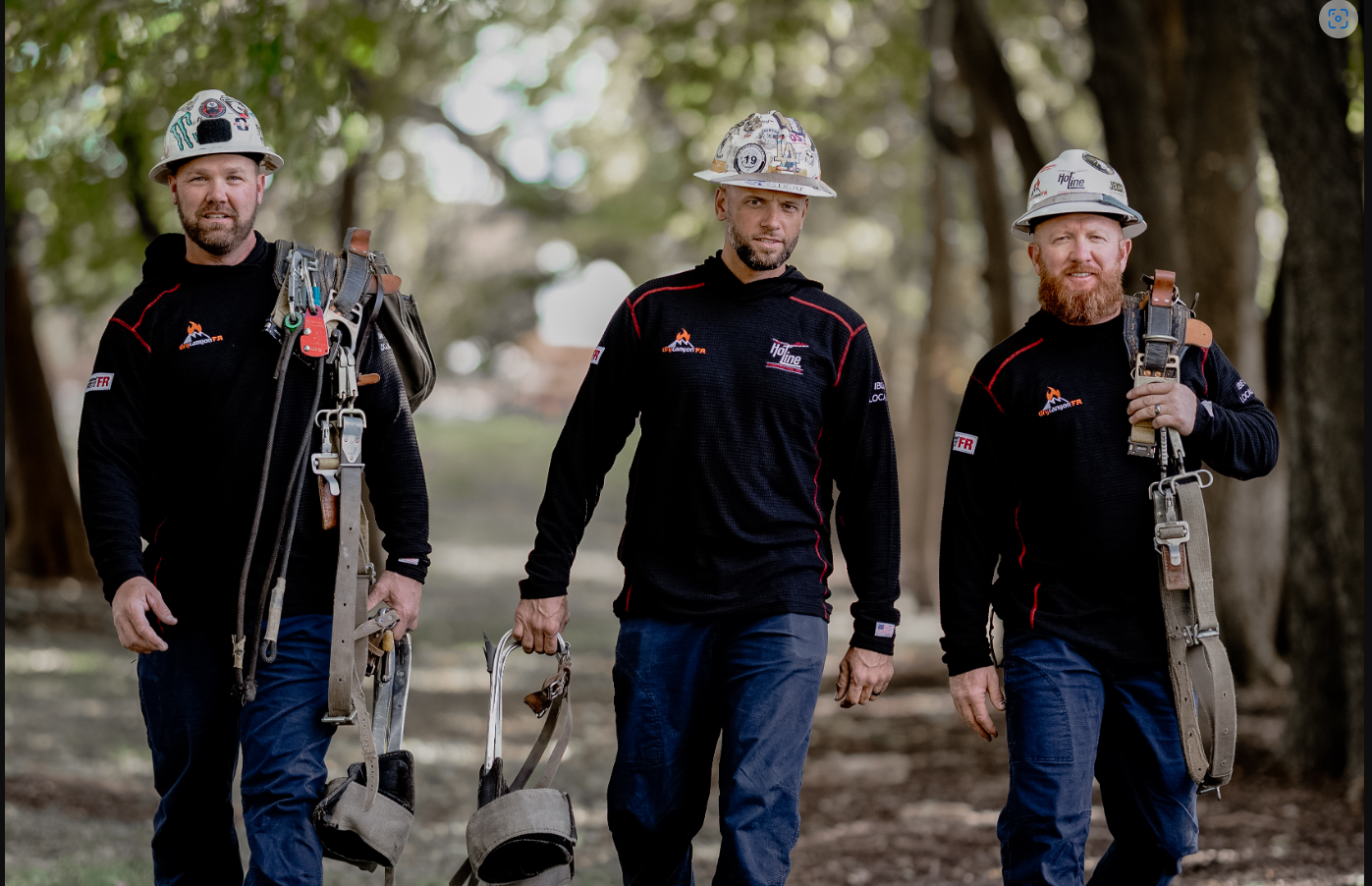
Layering isn’t new – athletes and outdoor adventurers have mastered it for decades. But in the industrial world, layering with high performance flame-resistant (FR) apparel is more than comfort – it’s about protection, performance, and keeping your focus where it belongs: on the job.
Each layer in the Lakeland FR layering system has a purpose. Combined, they create a powerful system that regulates body temperature, manages moisture, and shields you from the elements – whether it’s heat, cold, wind, rain, or snow.
Why Layering Works
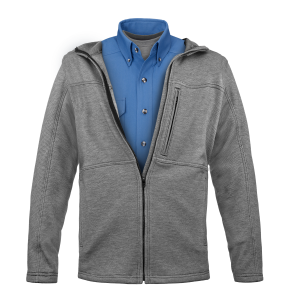
Layering allows you to adapt to changing activity levels and weather. You can remove a layer if you’re warm or add one when conditions turn harsh. The key is understanding the role of each layer:
Base Layer – Moisture Management
- Wicks sweat away from skin to keep you dry.
- Prevents chilling and reduces risk of hypothermia in cold weather.
- Works year-round to regulate comfort.
Lakeland’s base layers use inherent permanent moisture management – no chemical coatings to wash out – and an optimal fiber blend for maximum wicking and faster drying.
Mid Layer – Insulation
- Retains body heat while still moving moisture outward.
- Available in multiple weights to match conditions (Lakeland offers 8 oz, 11 oz, and 12 oz options).
- Allows flexibility – swap heavy mid layers for lighter ones as temperatures rise.
Outer Layer – Element Protection
- Shields from wind, rain, and snow without trapping moisture.
- Breathable, lightweight, and designed for mobility.
- Lakeland’s outwear is one of the industry’s lightest weights for unmatched protection.
Mastering the Lakeland Layering System
A superior FR layering system is built from the inside out:
- Choose a Base Layer with permanent moisture management and proven wicking performance.
- Select Mid Layers in varying weights to match temperature changes.
- Top with Outwear that’s lightweight, protective, and breathable.
The result? All-day dryness, comfort, and safety – whether you’re facing sweltering heat or sub-zero wind chills.
From the Slopes to the Jobsite
Moisture-wicking technology was first developed to give elite athletes an edge in extreme outdoor conditions. Now, industrial workers can harness the same performance advantages. Lakeland’s high performance FR layering system keeps you drier, cooler in heat, warmer in cold, and more focused on the task at hand.